You pay into your retirement fund for years, trusting that it will be there for your family one day. But do you know what happens to that money if you die before you retire?
Your nomination form matters, but it is not the final word
Many members believe that whoever they write down as beneficiary on their nomination form is guaranteed to receive their death benefit. This is not how it works.
By law, the trustees of your fund, not your nomination form, decide who gets the money when you die. This is because the fund’s duty is to look after the people who genuinely depended on you financially, and not to simply carry out your wishes.
Section 37C: What you should know
The part of the law that determines how your death benefit should be shared is called Section 37C.
Section 37C:
Overrides the deceased’s will
Overrides the nomination form
Overrides family wishes
Overrides customary distribution practices
May override aspects of marriage contracts
This does not mean that your nomination form is pointless. Trustees do look at it, and it helps guide their decision. But if someone else depended on you financially and is not on the form, trustees are also required to consider that person.
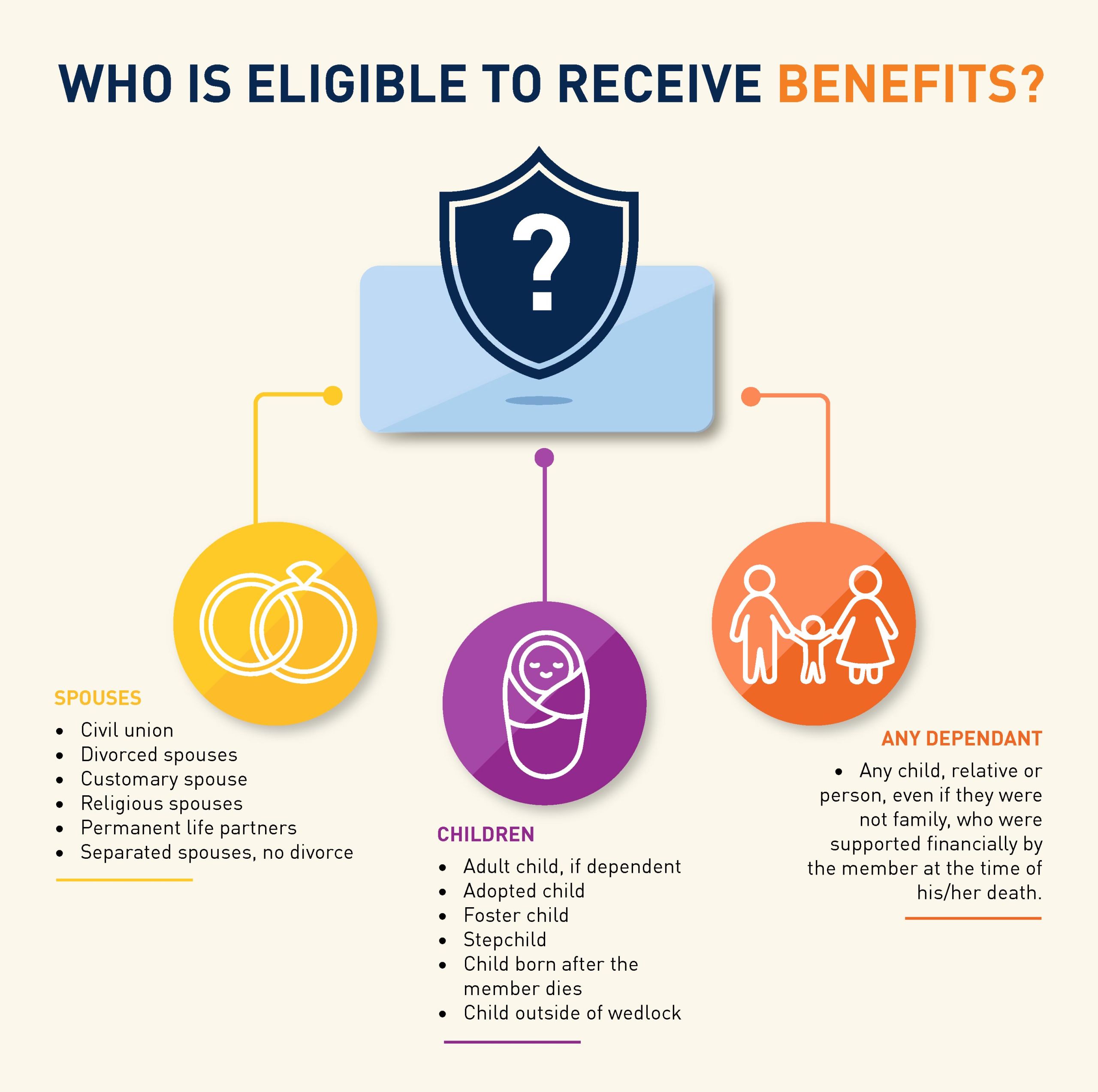
Who counts as a dependant?
Trustees look at who relied on you for financial support at the time you died. This can include your spouse or life partner, your minor children, and anyone else you were financially supporting, such as a parent, a sibling, or an adult child who was still studying or unemployed. Even someone who is not a blood relative can qualify if you were maintaining them.
Minor children often receive particular consideration because they are frequently the most financially dependent beneficiaries, but trustees must look at the whole picture of your life, not just one relationship. Thus is why an investigation can take time, especially where families are large or relationships are complicated.